

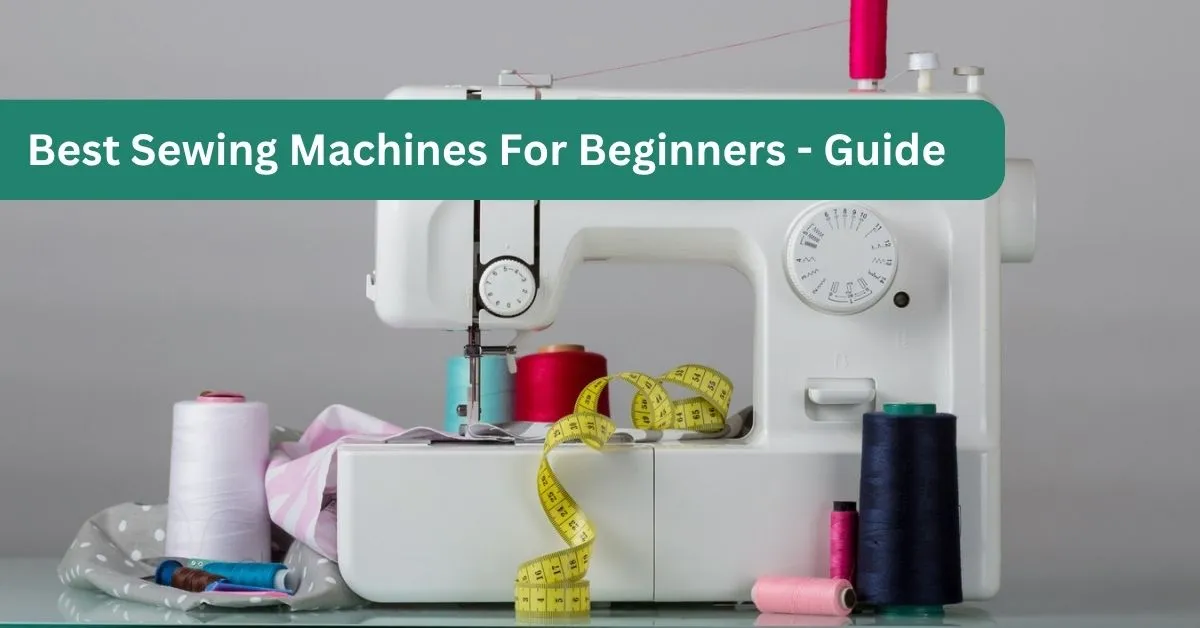
I’ve tested more than 50 sewing machines over the years, and the question I’m asked most often is a simple one: what sewing machine should I buy first? It should be an easy question to answer. In practice, it’s complicated by the fact that most “best beginner machine” articles are written by people who have never sewn a seam in their lives.
This guide is different. Every machine on this list has gone through my full testing process setup from scratch, performance across cotton, denim, chiffon, and jersey, and extended use to check how each machine holds up over time. I’ve narrowed it down to six machines I can genuinely recommend, at prices ranging from under $100 to around $500.
If you’re in a hurry, the Brother CS7000X is the machine I’d put in front of most first-time sewists. If you need something more durable, or already know you want to work with heavier fabrics, the Singer Heavy Duty 4423 is a better fit. Full reasoning below.
★ Our Top Pick
Brother CS7000X — Best Sewing Machine for Beginners Overall
The CS7000X threads easily, runs quietly, and handles the full range of fabrics a beginner is likely to encounter — all for around $270. It's the machine I'd buy my own family member if they were learning to sew today.
Check price on Amazon →Table of Contents
- 1 Best beginner sewing machines — at a glance
- 2 Best sewing machines for beginners — detailed reviews
- 2.1 1. Brother CS7000X — Best Overall Beginner Sewing Machine
- 2.2 2. Singer Heavy Duty 4423 — Best for Durability
- 2.3 3. Janome HD3000 — Best Mechanical Machine for Beginners
- 2.4 4. Brother XR9550 — Best Feature Set Under $270
- 2.5 5. Singer M1500 — Best Budget Pick Under $120
- 2.6 6. Brother SE700 — Best for Beginners Who Also Want Embroidery
- 3 What to look for in a beginner sewing machine
- 4 Frequently asked questions
- 5 Our verdict
Best beginner sewing machines — at a glance
# | Product | Title | Rating | Price |
1 | 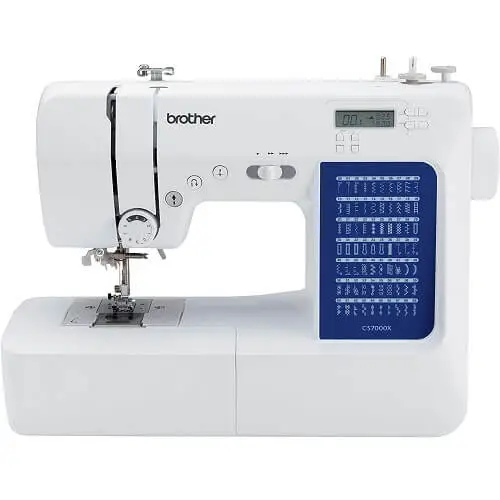
| BEST OVERALL: Brother CS7000X | 4.5/5 | |
2 | 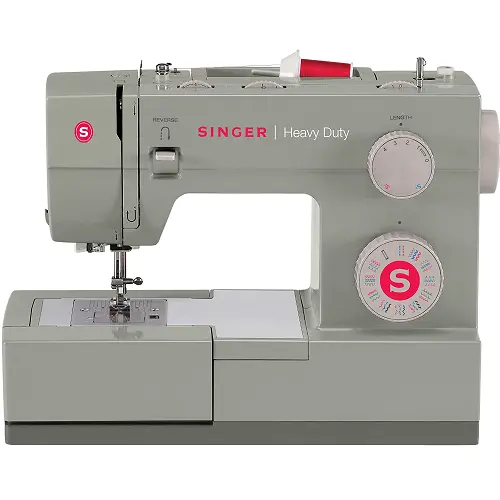
| Durability & heavy fabrics : Singer Heavy Duty 4423 | 4.5/5 | |
3 | 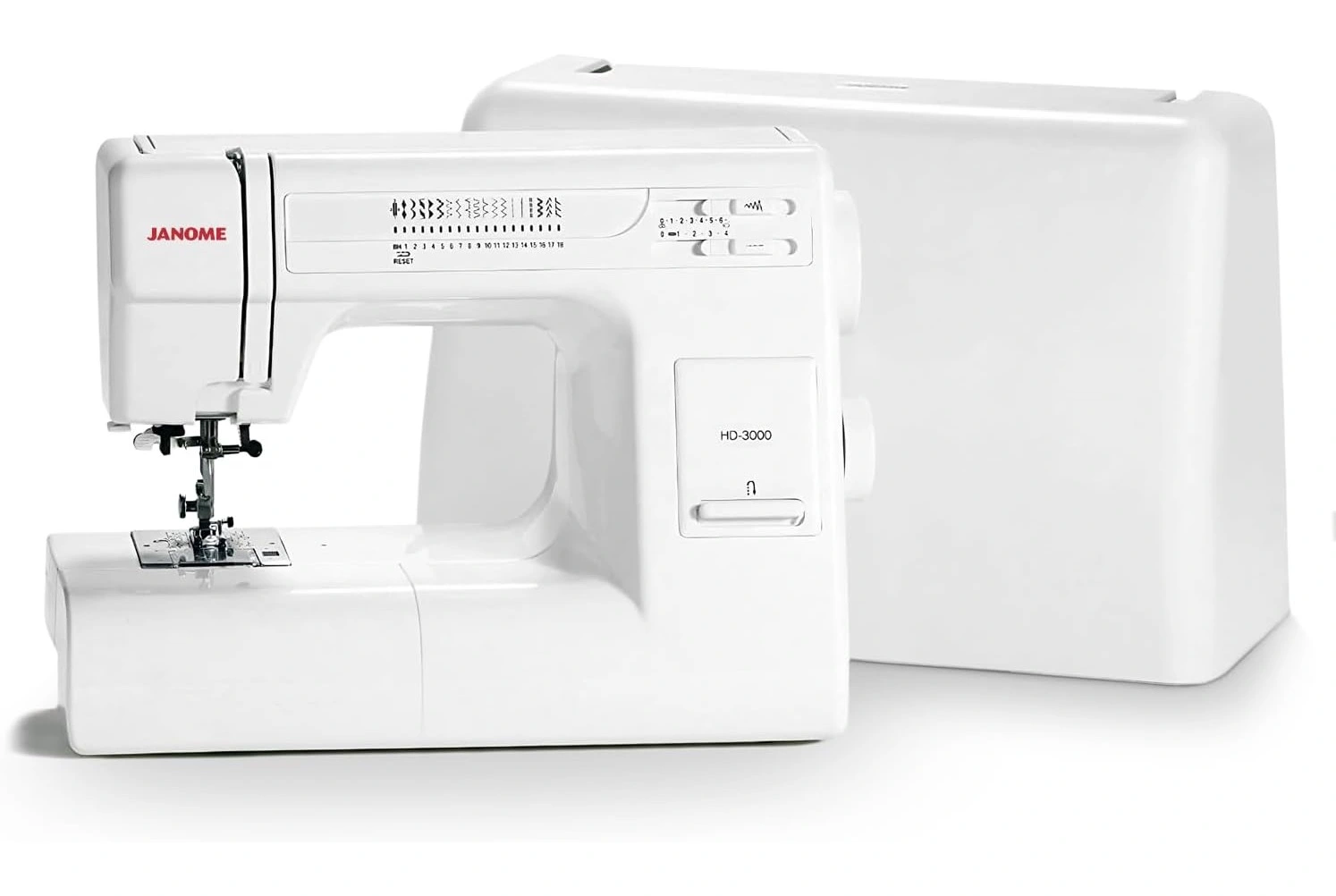
| Best mechanical machine: Janome HD3000 | 4.5/5 | |
4 | 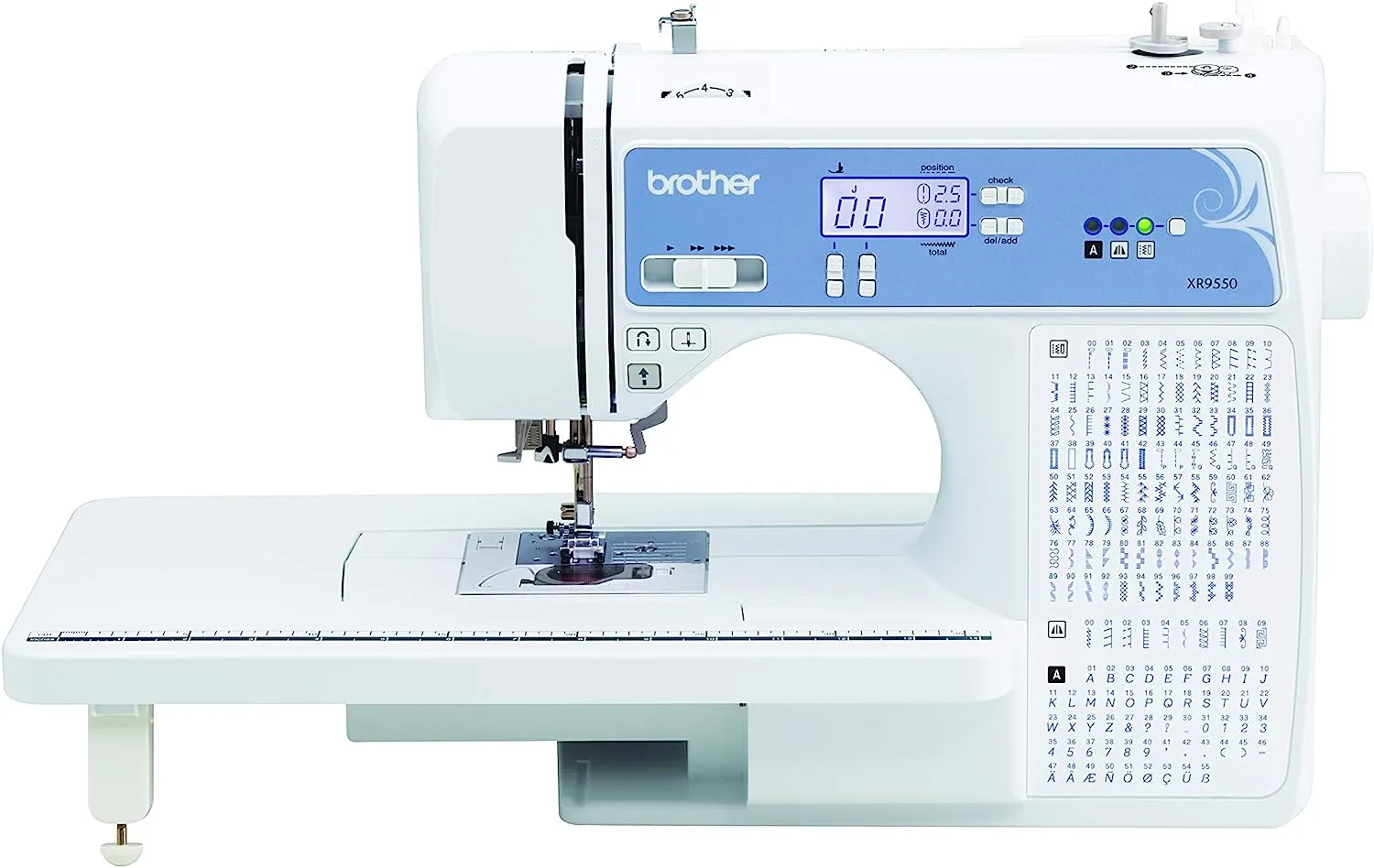
| Most features for the price: Brother XR9550 | 4.56/5 | |
5 | 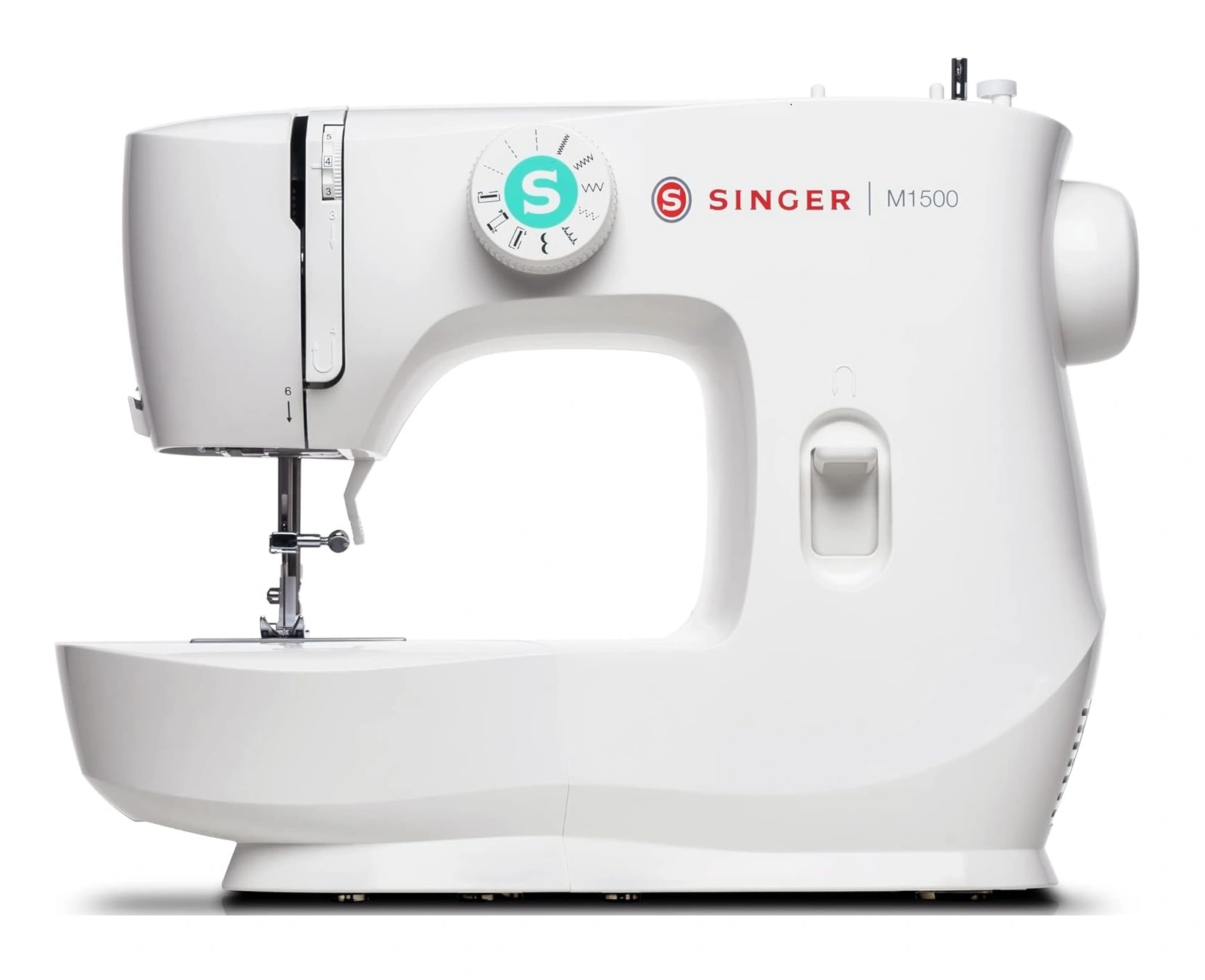
| Tightest budget: Singer M1500 | 4.13/5 | |
6 | 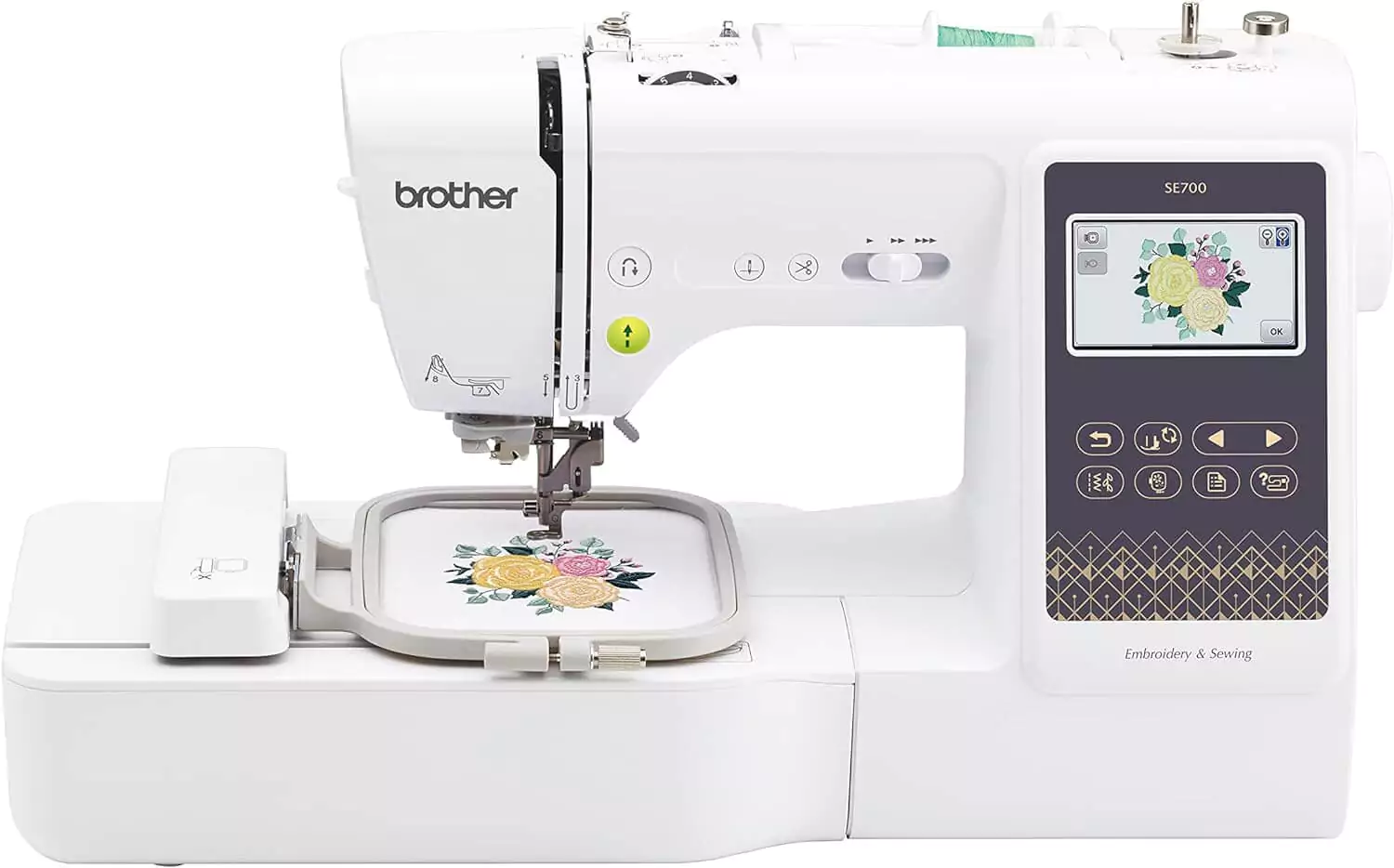
| Beginners who want embroidery too: Brother SE700 | 4.5/5 |
How we tested: Every machine on this list was set up from scratch, timed during threading and bobbin loading, and run through a structured fabric test (cotton, denim, chiffon, jersey, and 8-layer stacks). Each machine was also used continuously for at least 60 minutes to check for performance changes under sustained load. See my full testing methodology for more detail.
Best sewing machines for beginners — detailed reviews
1. Brother CS7000X — Best Overall Beginner Sewing Machine
The Brother CS7000X has been one of the most consistently recommended beginner machines for several years, and it earns that reputation. In testing, it was the machine that my least experienced tester was able to thread and start sewing on the fastest from out of the box to the first seam in under ten minutes. That ease of setup is not an accident. The numbered threading system is clear and logical, the drop-in top-loading bobbin is straightforward, and the automatic needle threader genuinely works every time rather than being the frustrating near-miss it is on some machines.
On fabric performance, the CS7000X handled every standard test well. On quilting-weight cotton, it produced clean, even stitches across the full speed range. On two-layer 14oz denim, it pushed through without skipping or dragging, though I’d encourage beginners to slow down on thick seam intersections. On chiffon, which is where many budget machines fall apart, it produced no puckering with a fresh 75/11 needle and a slightly reduced stitch length. Jersey with a stretch stitch was smooth and elastic.
The machine comes with 10 presser feet, a wide table extension, and a hard case, which genuinely adds value for the price. At 70 built-in stitches, beginners will have everything they need and then some in practice. Most sewists use 3–4 stitch types regularly. The LCD screen makes stitch selection clear and visible.
The main limitations are build-related. The CS7000X is largely plastic, and it shows a modest amount of vibration at high speed. It’s not a machine you’d pass to a grandchild in thirty years. For a beginner learning on a budget, that’s an acceptable trade-off. It’s not a machine to abuse, but for normal home sewing, it will last years of regular use.
Pros
- ✅ Fast, intuitive setup — best on test for threading ease
- ✅ Consistent stitch quality across all standard fabrics
- ✅ Quiet motor — unobtrusive even at sustained speed
- ✅ Wide table, 7 feet, and hard case included
cons
- ⚠️ Plastic construction — not the most durable long-term
- ⚠️ Struggles with 8-layer stacks — not for heavy-duty work
Best for: First-time sewists who want a reliable, easy-to-use machine for quilting projects, clothing alterations, and general fabric work.
2. Singer Heavy Duty 4423 — Best for Durability
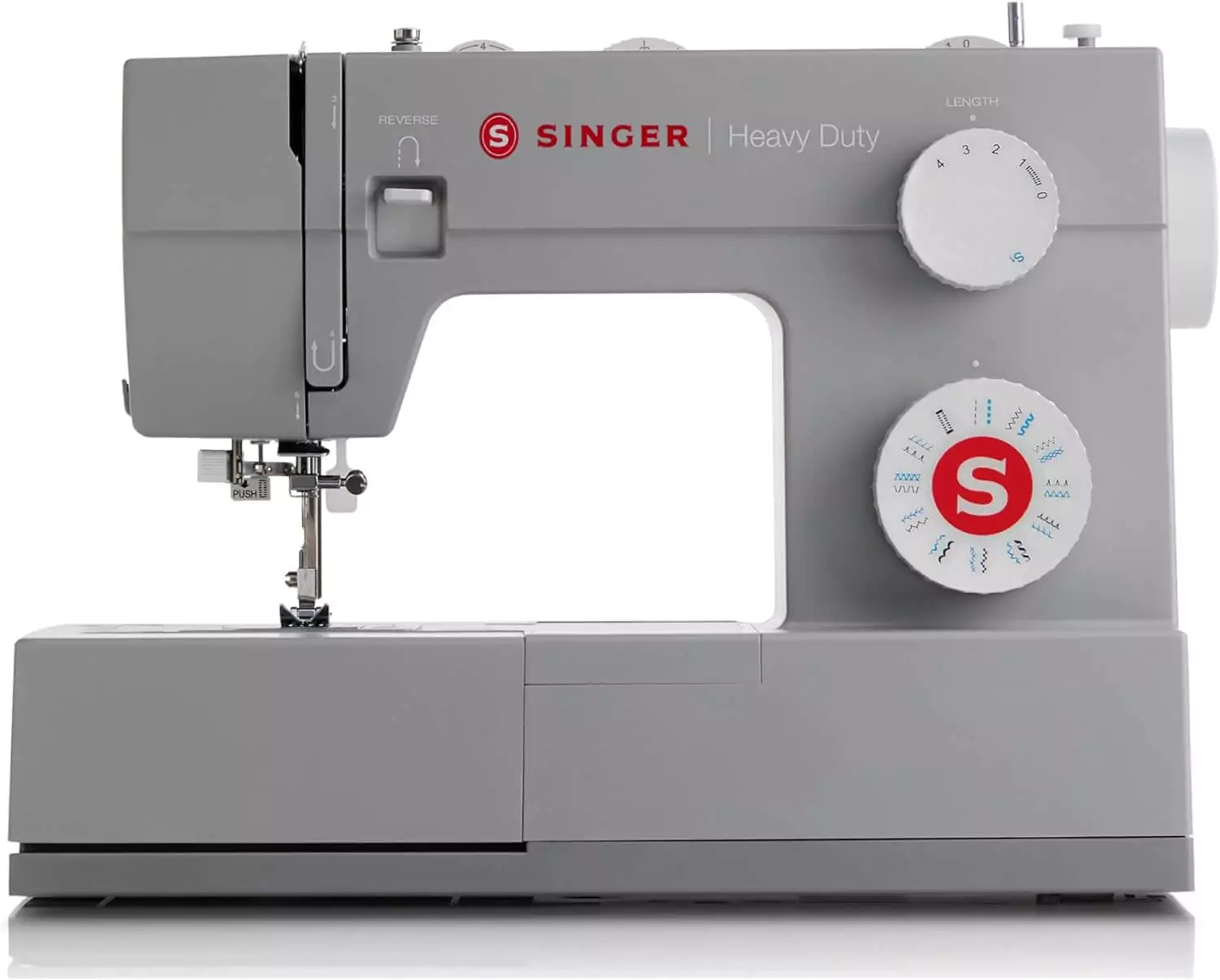
The Singer 4423 occupies a specific and important niche: a beginner machine that won’t feel underpowered two years into regular use. Its all-metal internal frame and 1,100 stitches-per-minute motor make it noticeably more physically robust than the CS7000X, and in extended testing, it was the machine I’d trust most for intensive use, daily sewing, heavier fabrics, or someone who wants their first machine to last a long time without maintenance issues.
On fabric testing, the 4423 was the clear winner for thick material. On 8-layer cotton stacks, it pushed through with authority where other machines slowed or skipped. On denim, it maintained consistent tension all the way through seam intersections. The stainless steel bedplate reduces friction noticeably on both light and heavy fabrics, contributing to smooth, even feeding.
Where the 4423 compromises for beginners is in features and setup ease, with only 23 built-in stitches, it has what you need and little else, no decorative stitches, no built-in alphabets, no embroidery capability. The threading is clear, and the automatic needle threader is reliable, but the overall setup experience isn’t as intuitive as the CS7000X. The machine is also louder at high speed; it has a purposeful mechanical sound that’s more noticeable in a quiet room.
We’ve done a full in-depth review of this machine, if you want more detail. Read our Singer Heavy Duty 4423 review →
Pros
- ✅ All-metal frame — genuinely built to last
- ✅ Handles denim, canvas, and thick layers without complaint
- ✅ 1,100 SPM — fastest on test
- ✅ Good value for the build quality
cons
- ⚠️ Only 23 stitches — minimal decorative options
- ⚠️ Louder than computerized alternatives at high speed
Best for: Beginners who plan to sew regularly, work with heavier fabrics like denim and canvas, or want a machine they won’t outgrow quickly.
3. Janome HD3000 — Best Mechanical Machine for Beginners
If you’re looking for a mechanical sewing machine, one with physical dials rather than a digital interface, the Janome HD3000 is the machine I’d recommend most consistently. Janome has a reputation for build quality that holds up in testing: the HD3000 feels solid, runs smoothly, and maintains perfectly consistent stitch quality across the full 60-minute extended use test without any variation in tension or feed.
On fabric tests, the HD3000 performed well across all standard fabrics. Its 18-stitch selection covers the essentials without overwhelming a beginner. You have a straight stitch, zigzag, blind hem, stretch stitch, and a few decorative options. The setup is clean and logical. The numbered thread guides are clear, the front-loading bobbin is a fixed rather than drop-in design, which takes a few minutes to get used to but is perfectly reliable once learned.
The HD3000 is slightly heavier than the Brother options at 14.1 lbs, which means it sits more firmly on the table and vibrates less at speed. This is a machine that feels like it was built with considered engineering rather than minimum cost, a quality that becomes more apparent over time.
The main trade-off is that 18 stitches is limiting if you want to grow into more varied sewing projects. For a beginner who wants a machine specifically for quilting, garment sewing, and home decor work, the stitch count is plenty. For someone who wants to experiment with more decorative or embroidery-adjacent work, the Brother XR9550 or CS7000X offers more flexibility.
Pros
- ✅ Outstanding stitch consistency across all fabric weights
- ✅ Solid, reliable mechanical construction
- ✅ Low-vibration — runs steadier than most in this price range
- ✅ Janome's strong service and parts availability
cons
- ⚠️ Only 18 stitches — limited for decorative projects
- ⚠️ Front-loading bobbin takes adjustment from drop-in users
Best for: Beginners who prefer a simple, no-frills mechanical machine with excellent build quality, particularly for garment sewing and quilting.
4. Brother XR9550 — Best Feature Set Under $270
The Brother XR9550 offers more for the money than any other machine on this list in raw feature terms: 165 built-in stitches, 8 included presser feet, a large work table, and an LCD display that’s clear and easy to read. For beginners who already have some sense of what they want to make and who don’t want to outgrow their machine in the first year, it’s a compelling package.
In testing, fabric performance was good across the standard range. On cotton and jersey, the XR9550 matched the CS7000X closely. On denim, it was solid but not as confident as the Singer 4423 through thick seam intersections. On chiffon, I had minor puckering on the first pass that disappeared once I adjusted the tension; it required slightly more setup than the CS7000X on delicate fabrics.
The 165-stitch count sounds overwhelming, but the organization is logical. In practice, most of the stitch count comes from variations of a few core stitch types: straight, zigzag, satin, and decorative patterns in multiple widths. Beginners won’t use most of them, but having them available means the machine grows with you as your sewing evolves.
The XR9550 is slightly louder than the CS7000X at high speed, and I’d describe the build quality as comparable to good plastic construction, not quite as refined as the Janome HD3000 in terms of physical feel. At this price point, it’s an excellent value for the features; just go in knowing it’s a features-first machine rather than a build-quality-first one.
Pros
- ✅ 165 stitches — significant room to grow
- ✅ 8 included presser feet — best accessory kit on test
- ✅ Large workspace, clear LCD display
- ✅ Good performance on all standard fabrics
cons
- ⚠️ Requires tension adjustment on delicate fabrics
-
 Slightly louder than the CS7000X at sustained speed
 Slightly louder than the CS7000X at sustained speed
Best for: Beginners who want maximum features for the price and plan to explore different stitch types and project styles as their skills develop.
5. Singer M1500 — Best Budget Pick Under $120
The Singer M1500 is the only machine on this list that consistently sells under $120, and I include it with an honest caveat: at this price point, you are making a trade-off on build quality. What you’re getting is a capable, genuinely functional beginner machine that will teach you how to sew, not a machine you’ll still be using in five years.
That said, the M1500 performed better in testing than its price suggests. On cotton and jersey, stitch quality was clean and consistent. The 57 built-in stitches is a higher count than machines costing twice as much, though many are minor variations of a core set. The automatic needle threader worked reliably, the drop-in bobbin is straightforward, and the numbered thread guides are clear.
On denim, the M1500 managed two layers of 14oz denim but required patience at seam intersections, it slows and occasionally skips on thick stacks. On chiffon, I had to experiment with tension settings to prevent puckering, which I wouldn’t expect from a complete beginner. This is a machine that rewards someone willing to learn the basics of tension adjustment, not one that auto-corrects for you.
The plastic construction is more evident at this price; there’s more vibration at high speed and a less precise feel to the tension dial. These are acceptable limitations for a dedicated learner machine. If budget is the primary constraint, this is the machine I’d recommend. If you can stretch to $270–300, the Brother CS7000X is a significantly better experience and worth the extra spend.
Pros
- ✅ Genuinely functional at the lowest price point
- ✅ 57 stitches — good selection for the price
- ✅ Automatic needle threader, drop-in bobbin
cons
- ⚠️ Struggles with thick seam intersections
- ⚠️ Requires manual tension adjustment on delicate fabrics
- ⚠️ Plastic build — limited long-term durability
Best for: Complete beginners on a strict budget who want to try sewing before committing to a higher-priced machine, or parents buying a first machine for a child.
6. Brother SE700 — Best for Beginners Who Also Want Embroidery
The Brother SE700 is the most expensive machine on this list, and the most specialized. It’s a combination sewing and embroidery machine, which means that if you already know you want to do both, it’s a better value than buying two separate machines. If you’re purely focused on learning to sew, it’s more machine than you need at this stage, and you’d do better with the CS7000X.
As a sewing machine, the SE700 is excellent. Its 135 built-in stitches cover everything a beginner needs and considerably more. Threading is intuitive, the bobbin system is reliable, and on all fabric tests, cotton, denim, chiffon, jersey, it performed at the top of this group. Build quality is meaningfully better than the entry-level Brother machines; the SE700 feels like a serious piece of equipment.
The embroidery capability is where it earns its price. The 4″ × 4″ embroidery field handles monograms, patches, and small decorative designs well. The built-in 80 designs are a useful starting point, and the USB port allows you to import additional designs from third-party libraries. The colour LCD touchscreen makes navigating design placement and colour sequences straightforward, far simpler than I expected for a machine at this price point.
One honest note: the SE700 requires more setup time for embroidery work than a dedicated embroidery machine. If embroidery is your primary interest, a dedicated machine like those in our best embroidery machines guide may serve you better. For someone who wants to learn to sew and have embroidery capability available as a bonus, the SE700 is a genuinely strong all-rounder.
Pros
- ✅ Excellent combined sewing and embroidery capability
- ✅ 135 stitches, top-tier fabric performance
- ✅ Better build quality than entry-level Brother machines
- ✅ 80 built-in embroidery designs + USB import
cons
- ⚠️ Significantly more expensive than other picks
- ⚠️ Embroidery setup is more involved than pure sewing setup
Best for: Beginners who are certain they want both sewing and embroidery capability and want to avoid buying two separate machines.
What to look for in a beginner sewing machine
Most beginner sewing guides tell you to look for “ease of use.” That’s not wrong, but it’s too vague to actually act on. Here are the specific features that separate machines beginners will enjoy from ones they’ll find frustrating.
Budget: how much to actually spend
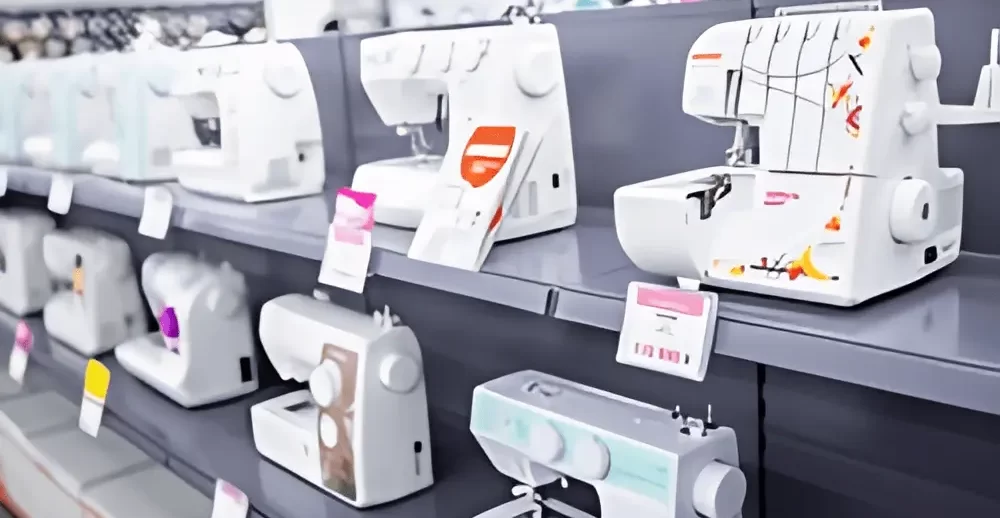
Spend between $150 and $300 for your first machine. Below $100, you’re likely to encounter machines that skip stitches on denim, have imprecise tension dials, and feel plasticky in a way that makes learning more frustrating than it needs to be. The Singer M1500 is the one sub-$100 machine I’d recommend, and only for someone on a strict budget. Above $300, you’re paying for features a beginner is unlikely to use in the first year. The sweet spot for most people is $150–200, where the Brother CS7000X and Singer 4423 both live.
Automatic needle threader
Non-negotiable in my view. Threading a needle by hand is fiddly, frustrating, and something you’ll do dozens of times. Every machine on this list has an automatic needle threader. If you’re comparing machines not on this list, remove any machine without one from your shortlist immediately.
Drop-in bobbin vs front-loading bobbin
Drop-in (top-loading) bobbins, where you drop the bobbin directly into a compartment under the needle, are faster and easier to load. Front-loading bobbins require removing the case and reinserting it more carefully. Both work well; drop-in is more beginner-friendly. The Brother machines on this list all use drop-in bobbins. The Janome HD3000 uses a front-loading design that’s reliable but takes some learning.
How many stitches do you actually need
For most beginner projects, garment sewing, quilting, home décor, repairs, alterations, you will use four or five stitch types: straight stitch, zigzag, blind hem, and a stretch stitch for knit fabrics. A machine with 20 stitches has everything you need. A machine with 165 stitches is not “better” for a beginner; it’s just more stitch options you won’t use for the first year. Don’t let stitch count be the deciding factor.
Mechanical vs computerized: which is better for beginners
Both work well for beginners. Computerized machines (like the Brother CS7000X and XR9550) select stitch types and tension automatically based on your settings; they’re more forgiving and faster to set up. Mechanical machines (like the Janome HD3000 and Singer 4423) use physical dials; they’re simpler, more repairable, and more durable long-term. If you’re not sure which type you want, start with a computerized machine. If you know you want something robust that you’ll use hard and maintain yourself, go mechanical.
Included accessories
A useful accessory kit should include at minimum: a zipper foot, a buttonhole foot, a blind hem foot, and a seam ripper. The Brother CS7000X and XR9550 both include 7–8 feet, which is an excellent value. The Singer machines include fewer feet. If a machine includes a hard carry case, as the CS7000X does, that’s a genuine practical bonus for storage and portability.
Warranty and support
Brother offers a 25-year limited warranty on their home machines, the longest in the industry and meaningfully better than Singer’s standard warranty. Janome offers a 25-year warranty on their mechanical machines as well. For a first machine purchase, warranty length is worth weighing. A machine that breaks after two years and costs $60 to fix has effectively cost you more than a slightly pricier machine with better warranty coverage.
What to avoid
Avoid unbranded or generic machines, anything under $60–70, and any machine described as “mini” or “portable” as a primary machine. These often have weak motors, imprecise tension, and minimal parts support. They’re fine as a secondary machine for travel, but teaching yourself to sew on one is setting yourself up for frustration. Our full guide to choosing a sewing machine covers these buying decisions in more depth if you want to go further.
Frequently asked questions
What is the best sewing machine for an absolute beginner?
The Brother CS7000X is our top recommendation for most first-time sewists. It’s easy to thread, handles all standard fabrics well, runs quietly, and costs around $200–300. If you plan to work with heavier fabrics like denim or canvas, the Singer Heavy Duty 4423 is a better fit. If budget is the main constraint, the Singer M1500 is the most capable machine under $120.
How much should I spend on my first sewing machine?
Budget $150–$300 for a reliable first machine. Below $100, you’re likely to encounter stitching inconsistency and build-quality issues that make learning harder than it needs to be. Above $300 as a beginner, you’re paying for features you won’t use until your skills develop. The Brother CS7000X at around $200–300 is the best overall value at this stage.
Is a mechanical or computerized sewing machine better for beginners?
Both work well, but for most beginners a computerized machine is easier to start on. Computerized machines automate tension settings and stitch selection, which reduces the number of variables a new sewer needs to manage. Mechanical machines are more durable and easier to repair long-term, if you plan to sew intensively or work with heavy fabrics regularly, a mechanical machine like the Singer 4423 or Janome HD3000 is worth considering from the start.
How many stitches does a beginner actually need?
Most beginner projects use 4–5 stitch types: straight stitch, zigzag, blind hem, stretch stitch, and occasionally a satin or decorative stitch. A machine with 20 stitches covers everything a beginner will actually use. Stitch count is not a reliable indicator of overall machine quality, focus instead on build quality, ease of threading, and fabric performance.
Can I learn to sew on a cheap machine?
You can, but it’s harder. Machines under $80–120 often have imprecise tension dials, weaker motors that struggle with anything thicker than a single layer of cotton, and limited parts support if something breaks. The extra $60–120 to get to the Singer M1500 or Brother CS7000X level makes a noticeable difference in how smooth and consistent the learning experience is.
Our verdict
For the majority of beginners, the Brother CS7000X is the machine I’d recommend without hesitation. It threads quickly, performs well across all standard fabrics, runs quietly enough for an apartment, and costs under $300. If I were buying a sewing machine as a first machine today, it’s what I’d choose.
If you know durability matters more to you than ease of setup, or if you expect to sew denim, canvas, or other heavy materials regularly, spend the extra $20–40 on the Singer Heavy Duty 4423. You’ll get a machine that will outlast the CS7000X and handle material the CS7000X can’t.
Once you’ve got your machine set up, the next step is learning to use it. Our step-by-step guide to using a sewing machine walks through everything from threading to your first seam, written for complete beginners with no assumptions about prior knowledge.
Last updated: June 2026. Prices are approximate and vary by retailer. Always verify the current price on Amazon before purchasing. Allen Miller independently tests all machines reviewed on this site — see our testing methodology for full details.
Allen Miller is the main author of The Sewing Advisor. He’s a whiz with a needle and thread. He spends his time reading, playing football, and writing. You can find more about him here.