

Sewing machines, tested stitch by stitch.
Whether you’re buying your first sewing machine, upgrading to a quilting model, or exploring embroidery, The Sewing Advisor helps you compare expert reviews, learn essential sewing skills, and confidently choose the perfect machine for your needs.
Find your perfect machine
Tested, compared, and explained. Our roundups cover every skill level and use case - start where you are.
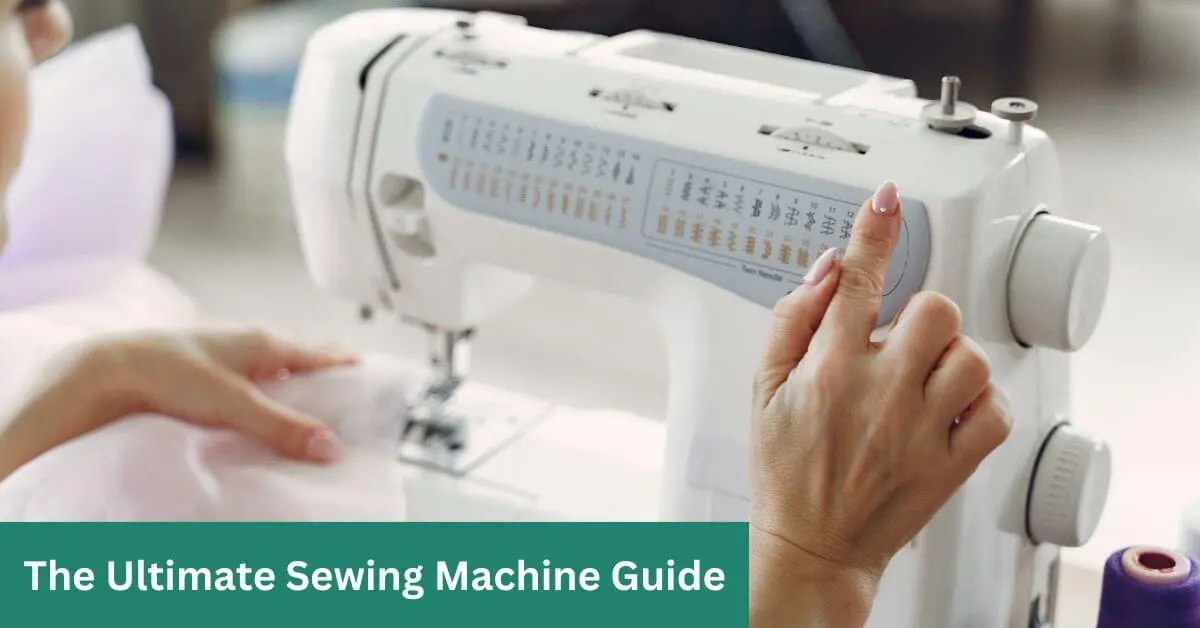
Best Sewing Machines of 2026
The full guide across every category — beginner, intermediate, and professional. Top picks with the data behind each ranking.
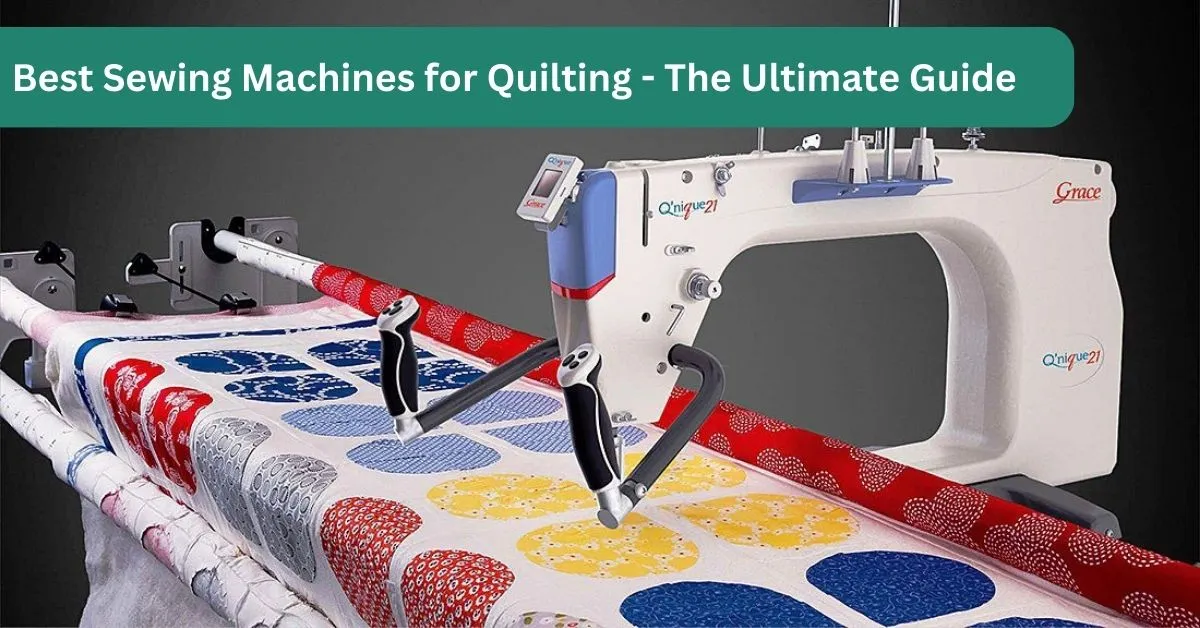
Best Sewing Machines for Quilting
From free-motion to precision piecing — 10 quilting machines ranked side by side. Budget picks through long-arm options.
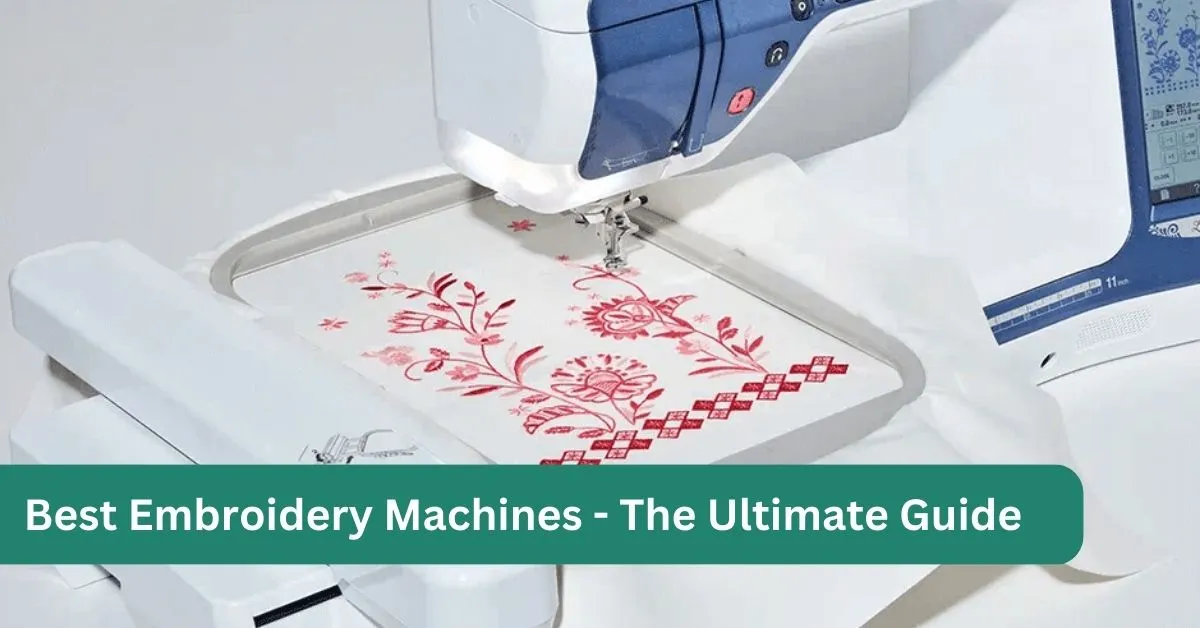
7 Best Embroidery Machines 2026
For home hobbyists and small businesses. Ranked by ease of use, stitch quality, and value — with full testing data.
Hands-on machine reviews
Not generic roundups. Deep-dive reviews of specific models with real test data and honest verdicts.
Singer Heavy Duty 4423
Reviewed Jun 2026 · 5,400 words
"The benchmark heavy-duty machine under $250. Handles denim, canvas, and upholstery without flinching. Worth every penny."
Read full review →Brother CS6000i
Phase 3 · publishing Aug 2026
One of the most-searched beginner machines on Google. Hands-on review currently in testing — sign up for the drop.
Singer 4452
Phase 3 · publishing Aug 2026
A step up from the 4423 with more stitches and a few quality-of-life features. Full comparison coming in Phase 3.
Learn to sew better
Step-by-step guides for every skill level. From picking your first machine to fixing the small things that frustrate you.
Threading, tension, stitch selection, and your first project — everything a beginner needs.
The 7 factors that actually matter when buying — and which ones most beginners get wrong.
15 minutes of maintenance that extends machine life by years. The step-by-step guide.
18,000 monthly searchesWhat separates a dedicated quilting machine from a standard sewing machine — and how to pick the right one.
Types, parts, and how they work — the complete explainer for anyone new to sewing machines.
A clear step-by-step guide to threading any sewing machine, including upper threading, bobbin winding, and bringing up the bobbin thread.
Every type of machine, covered
Whether you sew garments, quilt, embroider, or just want to fix a hem — there's a guide for that.
Written and tested by Allen Miller — not an algorithm.
Every review and guide on this site is written by me. I've been sewing for over a decade — starting with garment construction, later moving into machine testing. Since 2023, I've tested sewing machines specifically for this site, spending 5–10 hours minimum with each model across multiple fabric types before writing a single word.
I buy or borrow every machine. Nothing is sent to me in exchange for a positive review. Manufacturers don't see drafts before publication.
- 01Stitch quality measured across 6 fabric weights — cotton, denim, chiffon, jersey, canvas, fleece.
- 02Tension consistency — stitch length uniformity at three different speeds.
- 03Threading ease rated for needle threader, bobbin winding, and upper thread path.
- 04Noise and vibration logged at standard and high speed.
- 05Benchmark tasks timed — hemming 1m denim, 4-step buttonhole, zipper install.
- 06Scores recorded before writing, not after. Prices verified at review time.
Recently published

Answers from Allen Miller
The most-searched sewing machine questions, answered from hands-on testing — not specs sheets.
What is the best sewing machine for beginners? +
The Brother CS6000i and Singer Heavy Duty 4423 are consistently the top recommendations for beginners. The Brother CS7000X (~$150–$180) offers 60 built-in stitches, an approachable computerized interface, and a wide table that doubles for quilting. The Singer 4423 (~$200) is the better pick if you plan to sew thicker fabrics like denim from the start — its motor is 60% more powerful and the metal frame handles heavy materials without skipping stitches.
Both are in our Best Sewing Machines for Beginners guide with full testing data.
How much should I spend on my first sewing machine? +
$150–$250 is the sweet spot for a first machine in 2026. Machines in this range — like the Brother CS6000i ($150), Singer Heavy Duty 4423 ($200), and Janome HD3000 ($230) — have reliable motors, metal frames, and enough stitches for most home sewing projects. Machines under $100 are almost always all-plastic with weak motors that break under regular use. Spending more than $300 as a beginner usually means paying for computerized features you won't use for months.
What is the difference between a mechanical and computerized sewing machine? +
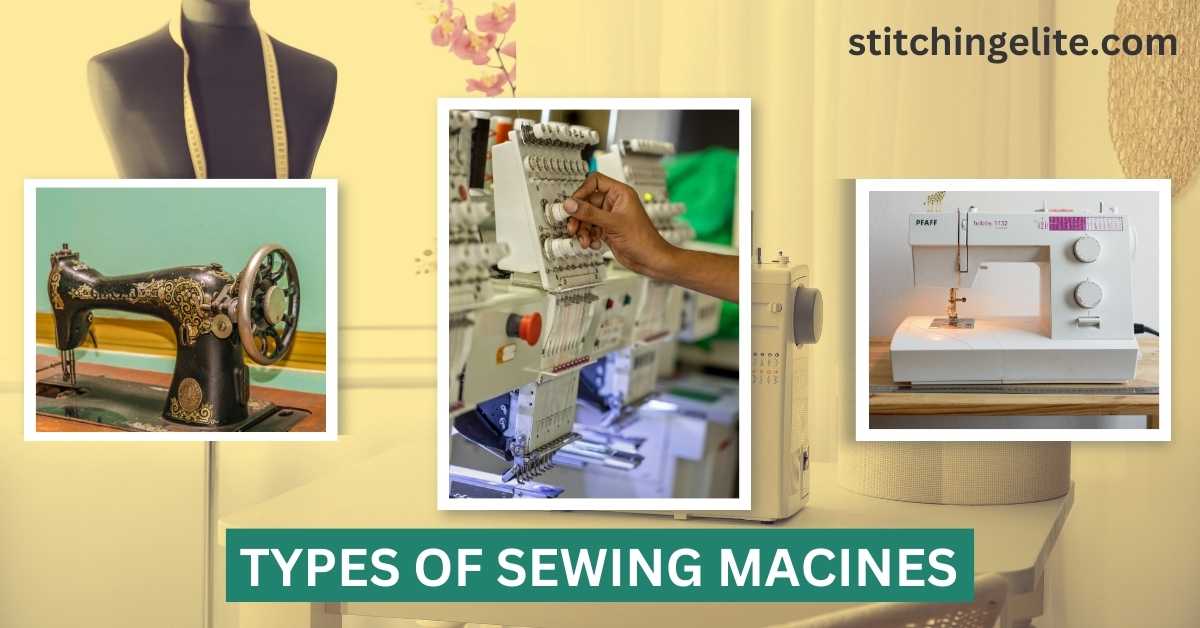
Mechanical machines use physical dials and levers to control stitches and tension — they are more durable, easier to repair, and generally cheaper. Computerized machines use a digital interface to select stitches, automate buttonholes, and offer decorative features. For beginners and heavy-duty work, mechanical is usually the smarter choice. Computerized makes sense when you need decorative stitches, built-in embroidery, or automatic tension adjustments for different fabrics.
See our full comparison: Types of Sewing Machines.
What is the best embroidery machine for home use? +
The Brother PE800 is the best embroidery machine for most home users in 2026 — it has a 5×7 inch hoop, 138 built-in designs, USB import, and a colour touchscreen at a mid-range price. For a smaller budget, the Brother SE700 combines sewing and embroidery in one machine. For a home business needing faster output, the Brother SE1900 offers a larger hoop and more memory. Full hands-on reviews are in our Best Embroidery Machines guide.
How do you thread a sewing machine? +
For most machines: (1) place the thread spool on the spool pin, (2) run the thread through the upper thread guide, (3) pull it down through the tension discs, (4) loop up through the take-up lever, (5) continue down through the lower thread guides to the needle, (6) thread the needle from front to back. Most modern machines print a numbered threading diagram directly on the machine. A full step-by-step threading a sewing machine guide.
New reviews, dropped first.
Fresh machine reviews, buying guides, and tested tips - straight from Allen. No spam, ever.
We never sell your email · Unsubscribe anytime